
Unio
_____________
Space Food System (Supplementary)
Overview:
Currently, food options in space are extremely limited. For deeper and longer-duration spaceflight, such as in transit to Mars, this will be exacerbated.
Addressing issues around menu fatigue is important for both the physical and psychological well-being of astronauts in long-term spaceflight
Proposed Solution
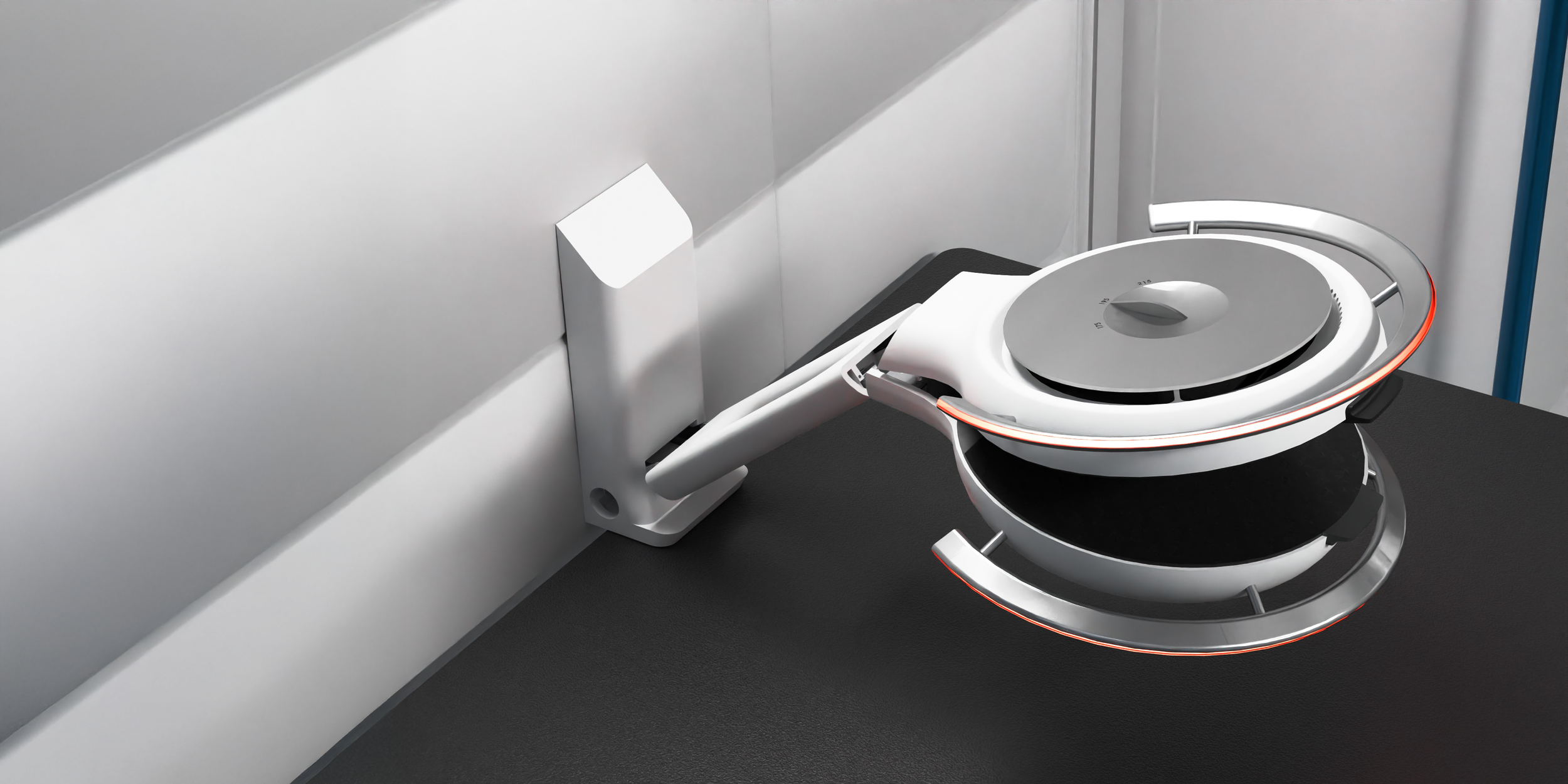
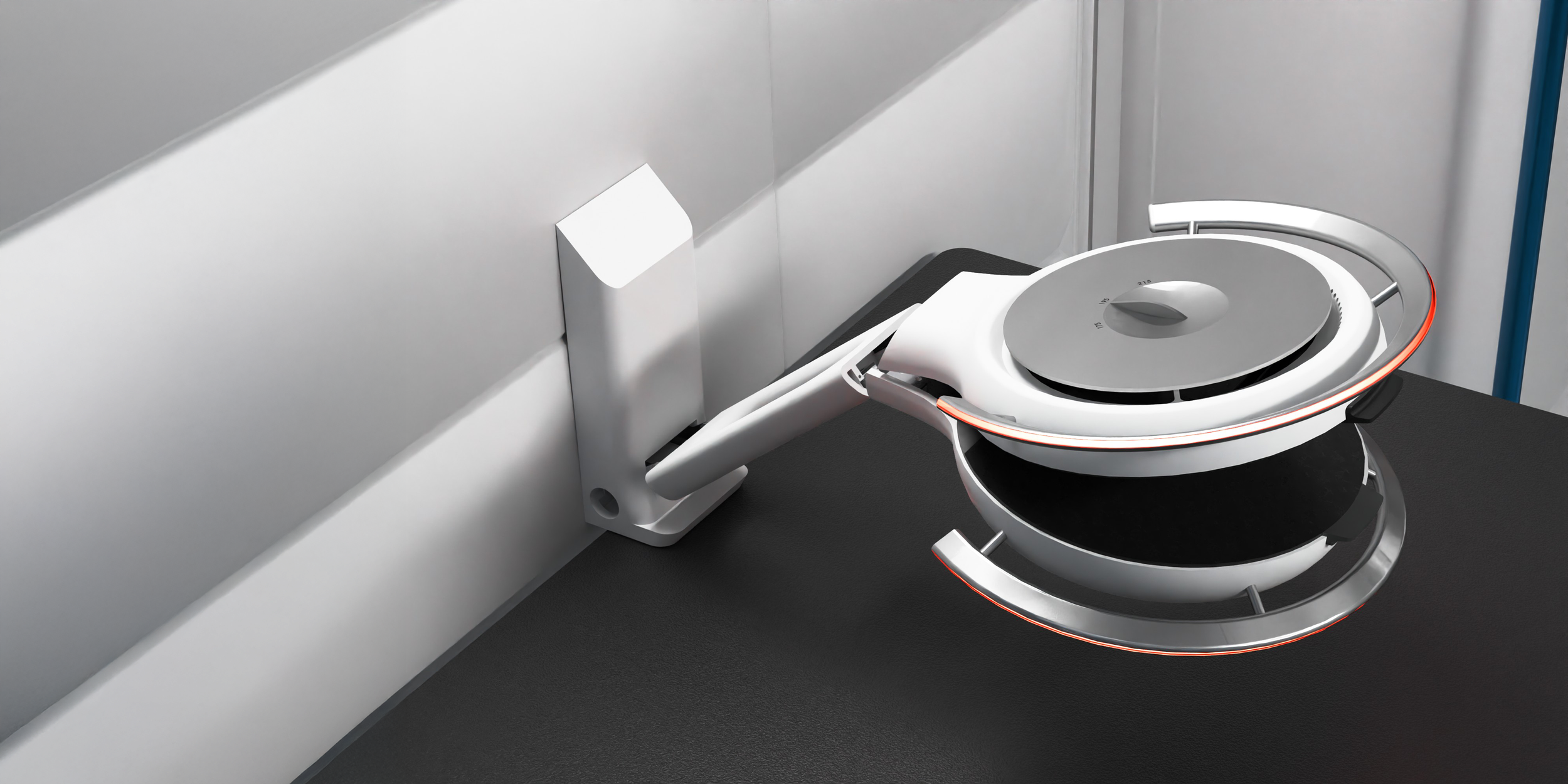
A supplementary food system, that uses a cooking press with swappable plates for different foods to provide a fresh-cooked texture and variety of bread-substitutes for 0g meals.
The Current State of Space Food
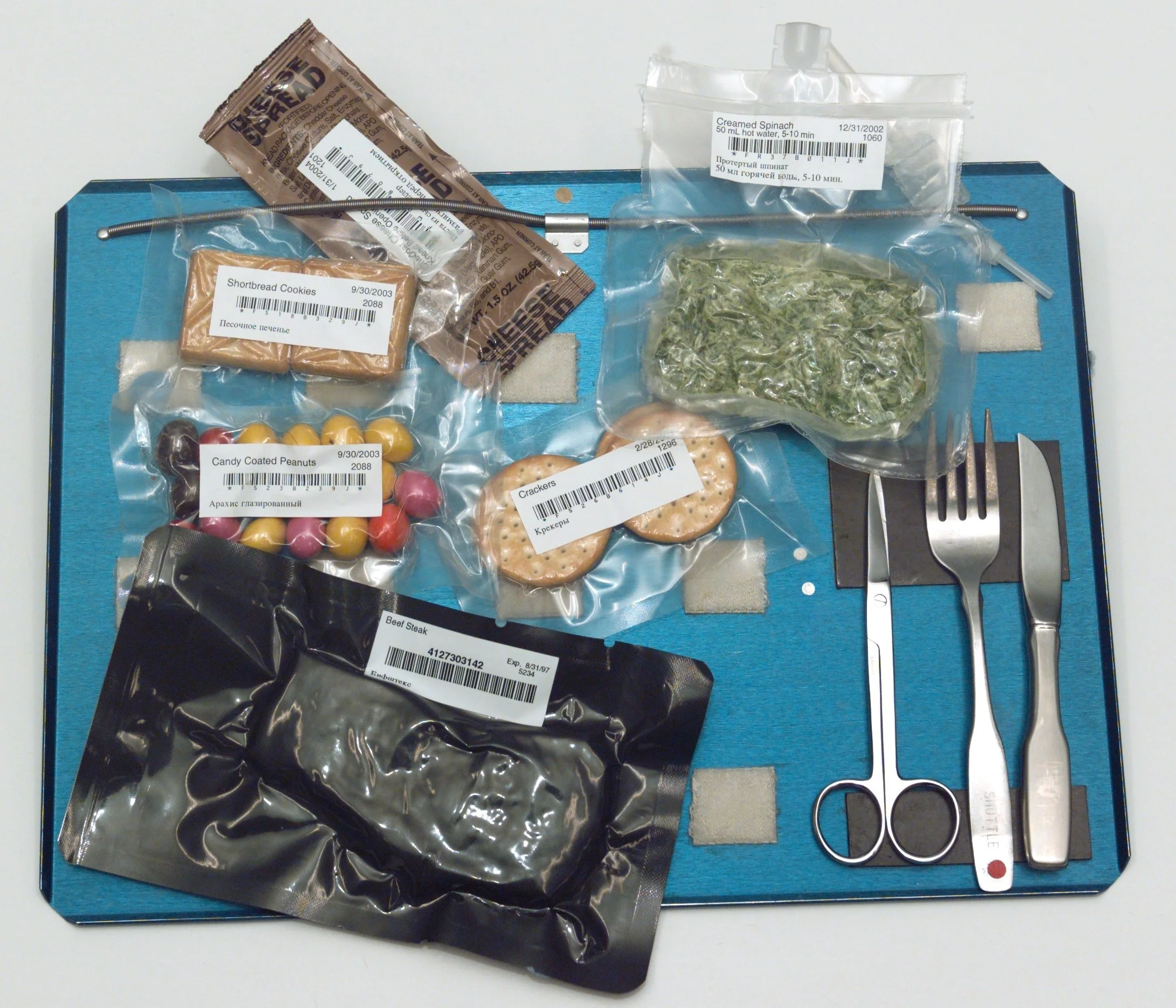
Options are limited:
Foods can be rehydrated, “canned,” or dry (can be cooled or warmed)
Space for growing fresh food is limited
Mess must be minimal
More “interesting” food items are supplemented but only available with resupply shipments
Constraints
Needs to be nutritive & sensorially acceptable (astronauts need ~3000 cal/day)
Needs to be stable (long-lasting and radiation resistant)
Has to be able to be prepared/eaten in microgravity
Must be low-mass
The User
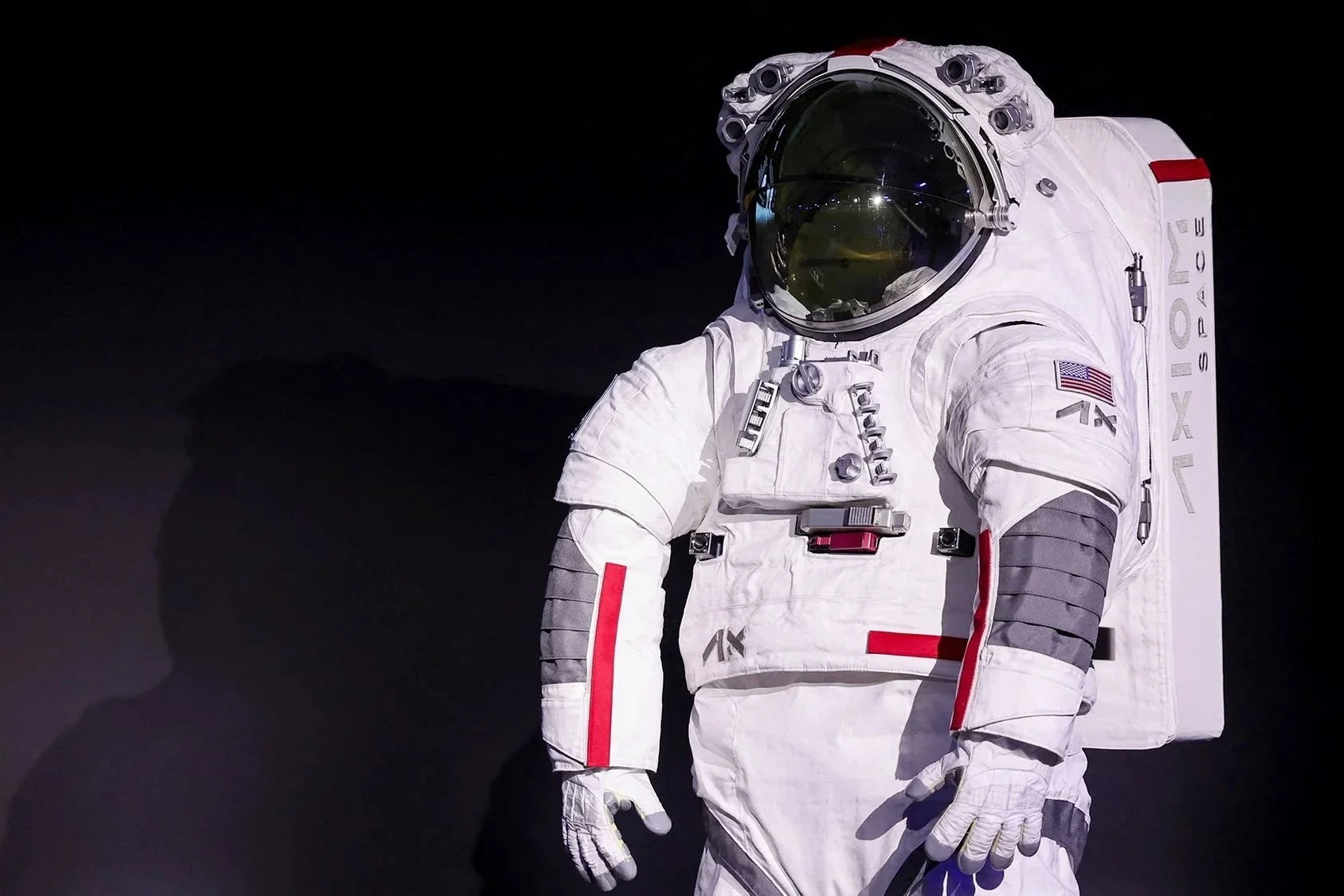
Astronaut in long-duration spaceflight:
90+ continuous days in space
Little/no resupply during spaceflight
5-15 years in the future
Orbiting the moon, en route to Mars, at a lagrange point, or similar
Process
Research: Spaceflight
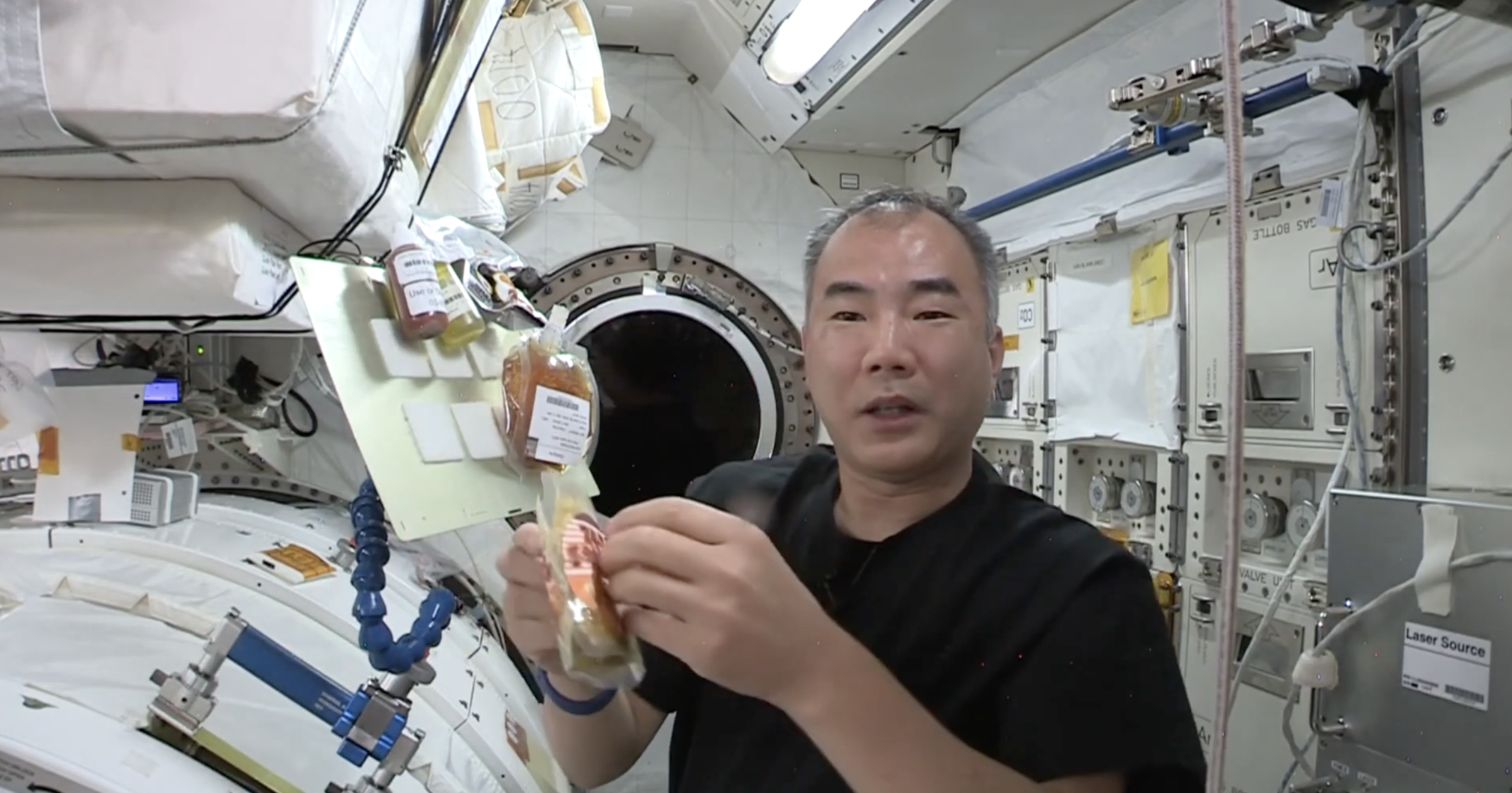
To start, I watched hours of video of astronauts eating in microgravity, ranging from interviews about the experience itself to candid recordings, particularly noting astronauts’ ad hoc design solutions
JAXA astronaut Soichi Noguchi showcasing Japanese space food
Research: Terrestrial Analogs
To explore solutions to the challenges of space travel, I looked at Earth’s most comparable extreme environments. Both submarines and Antarctic outposts share with space travel, similar food supply/resupply constraints, aspects of social isolation, and isolation from the surrounding environment. They also have the benefit of tens of thousands of users at any given point and years of continuous experiences,
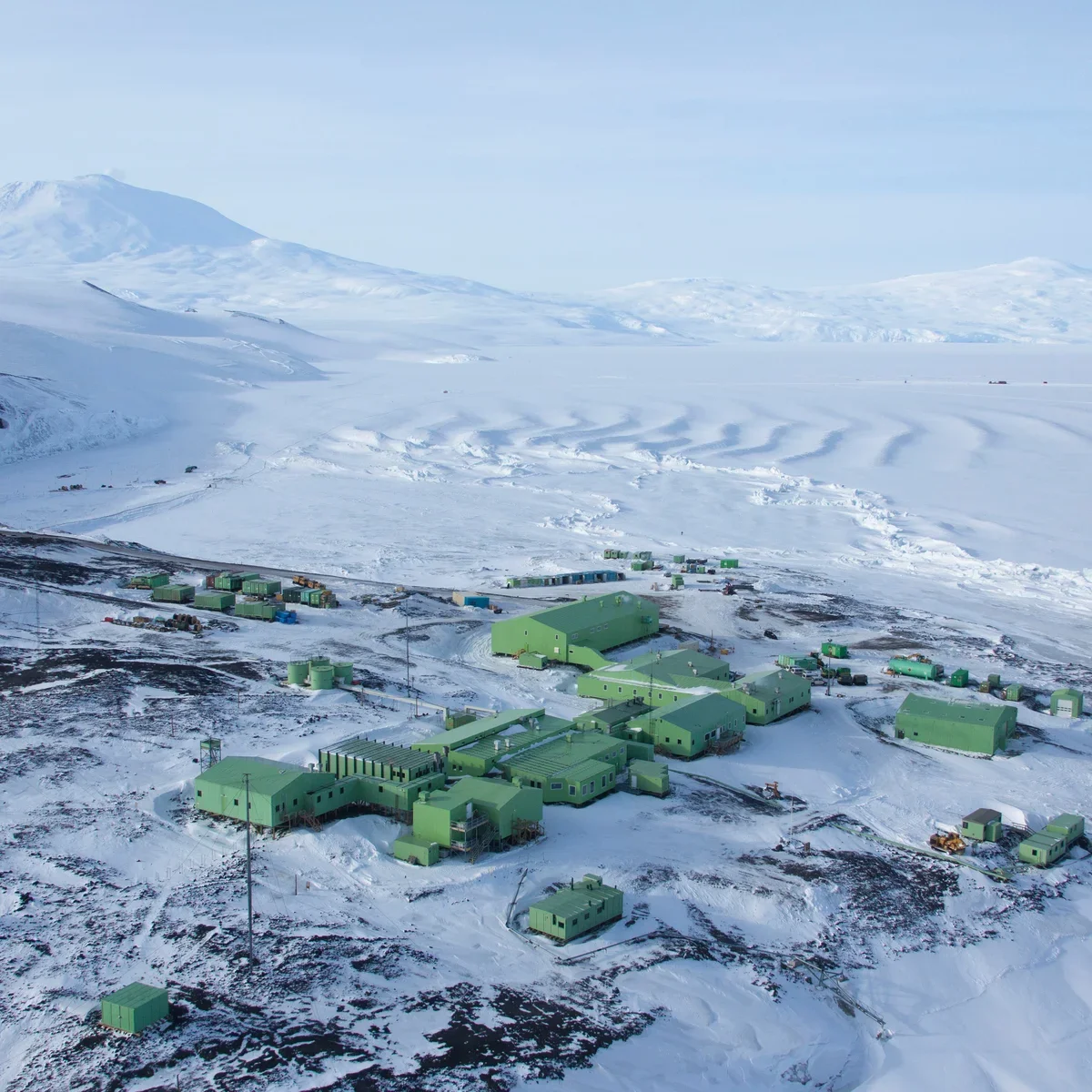
Antarctic Research Stations
I had the opportunity to talk to people who lived and work in Antarctica, including a former chef at New Zealand’s Scott Base.

Submarines & Military
Reddit has a surprisingly large community of current and former submariners who use the platform to discuss their experiences serving on submarines. Food comes up a lot because in such an enclosed space, it is a main factor in quality of life.
Additionally, I was able to interview a food scientist who developed MREs for the US military to learn about the process and frameworks used in that context
Phase 1
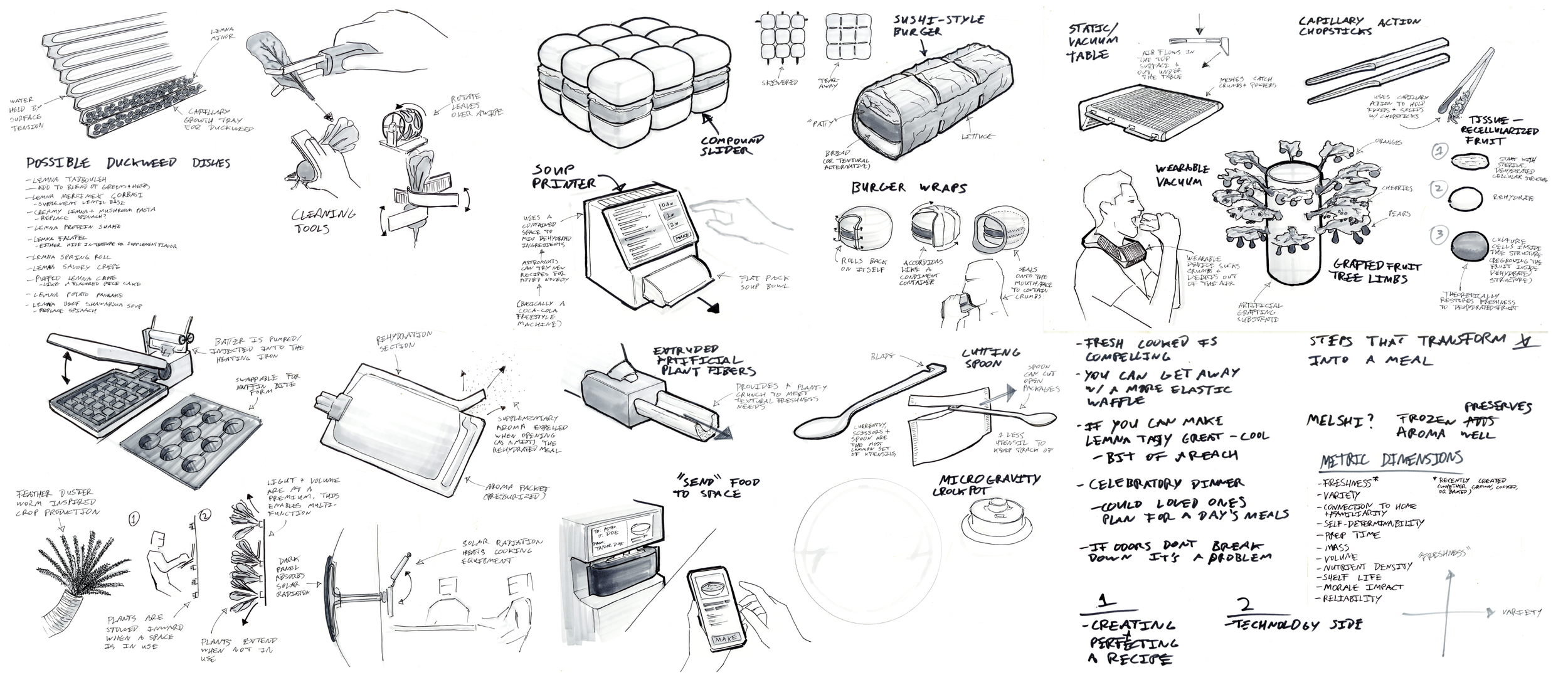
Phase 2
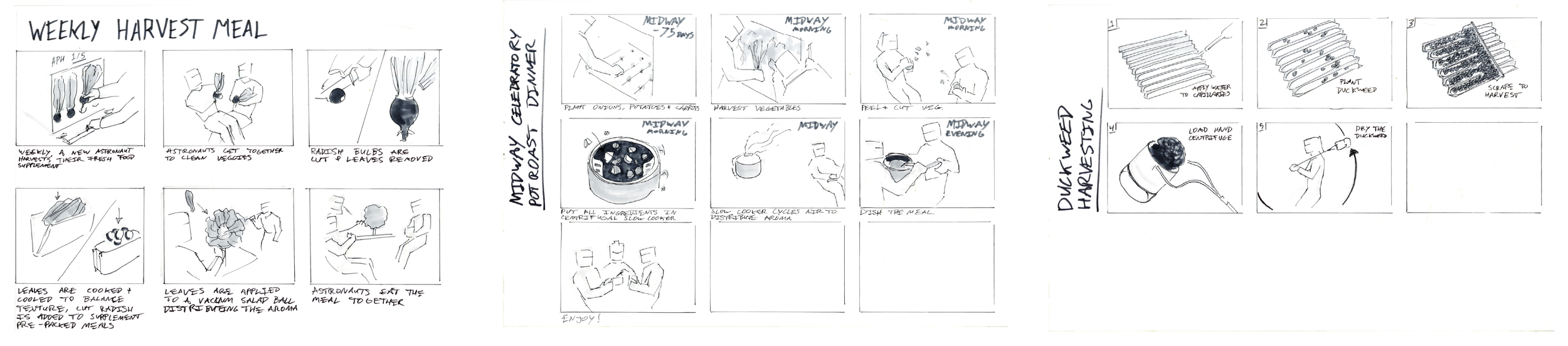
Phase 3
Validation
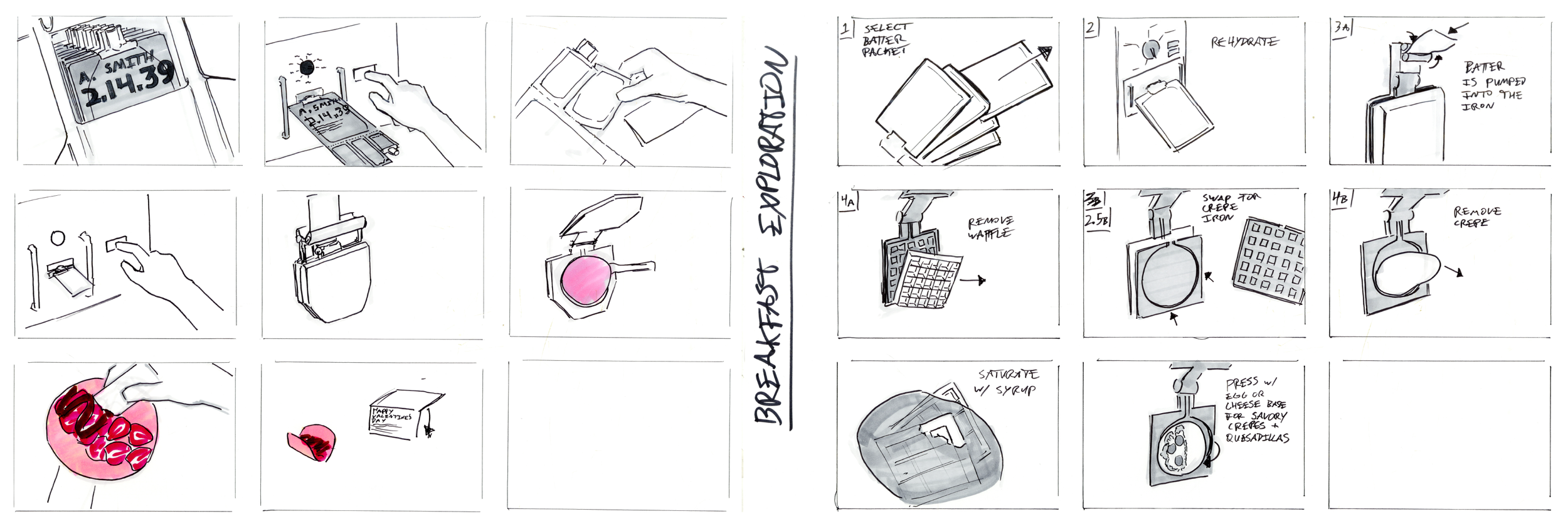
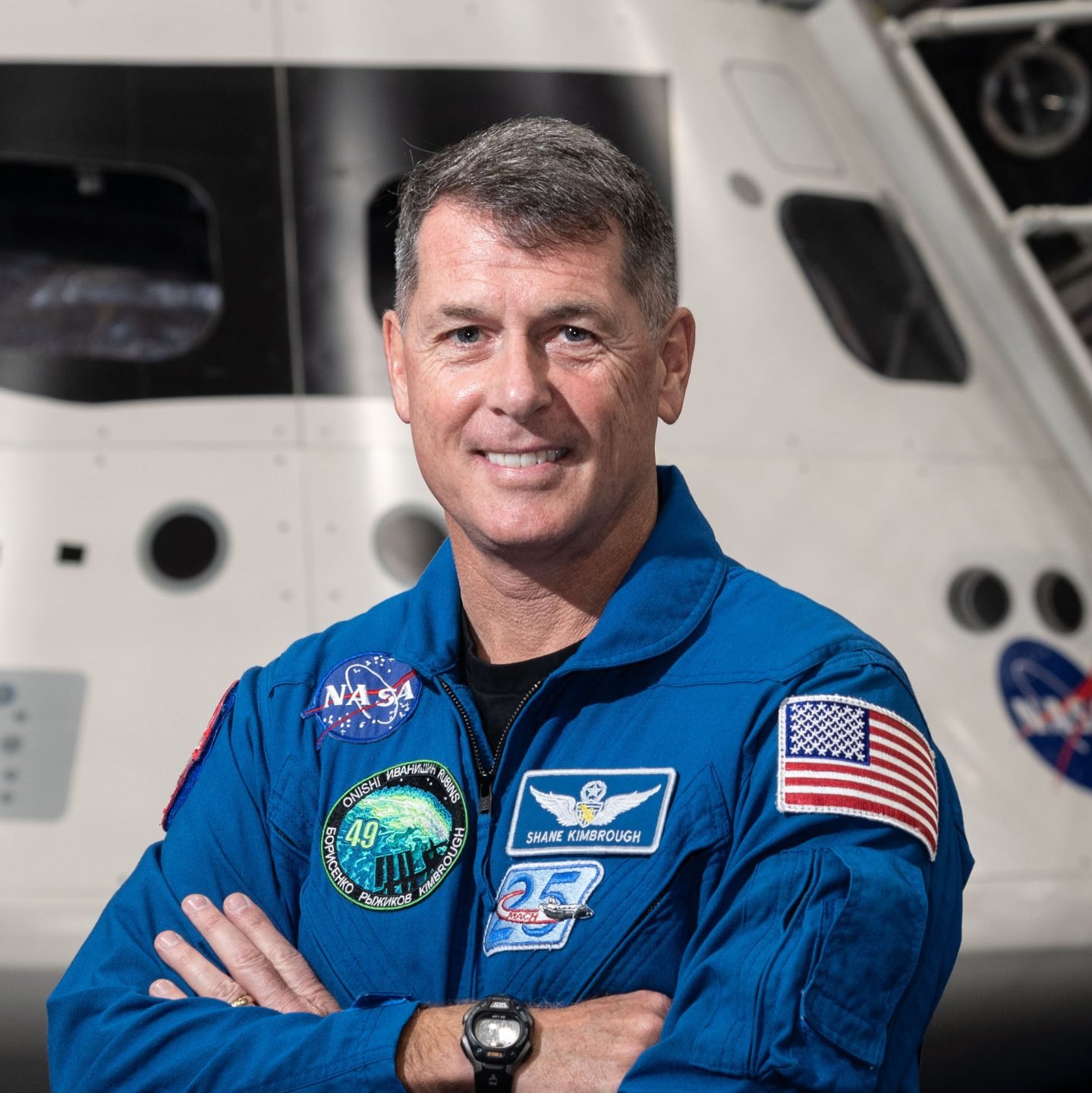
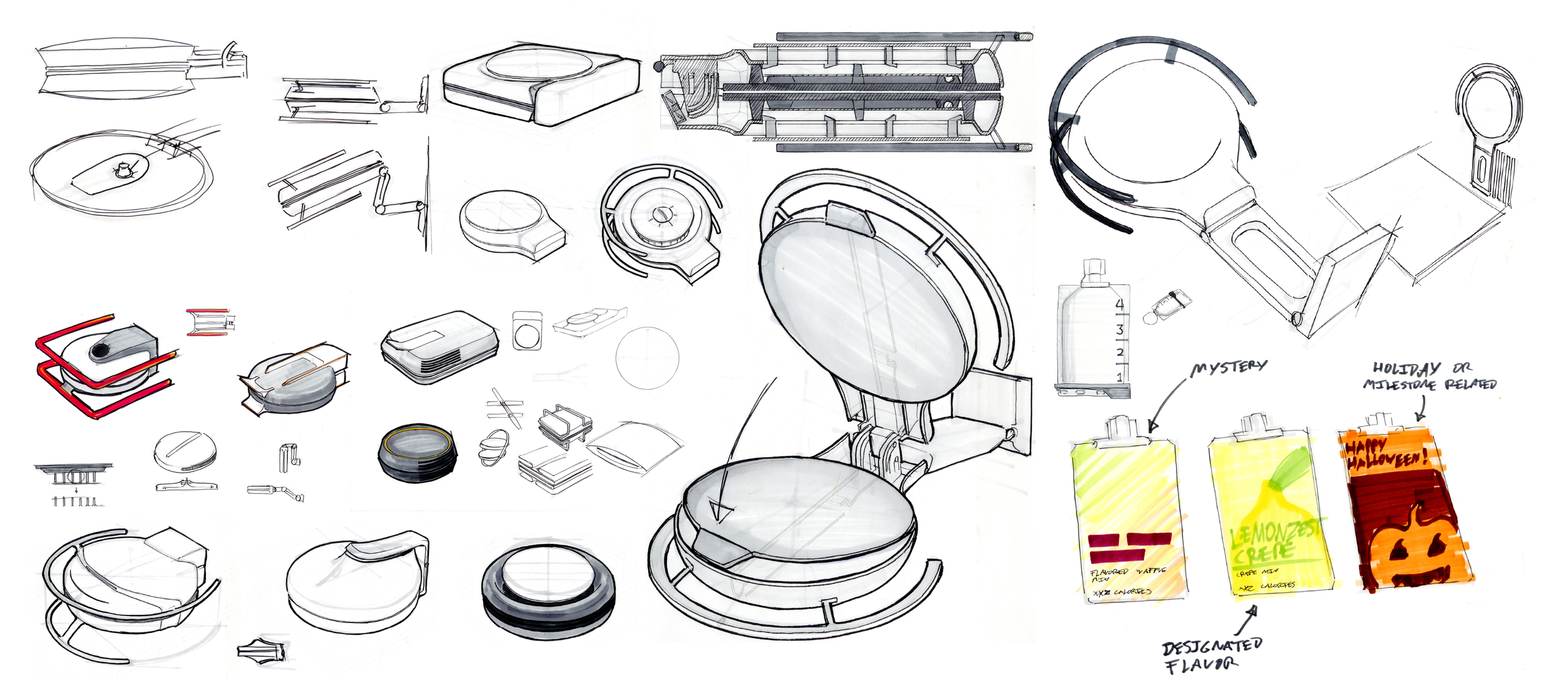
Testing & validation with target users was rather difficult; however, I was able to conduct a personal research interview with retired NASA astronaut Shane Kimbrough through sketches of the concept over Zoom prior to prototyping. As well as learn more about his experience with food during his time in space, as I continued to refine the design.
Other Learnings
“
[Astronauts] are going to be, ultimately, out on much longer missions and so something like this, I think would be very handy… once they get the ultimate goal to get habitats on the moon and living spaces and things like that… things like this could easily come into play.
Shane Kimbrough, retired NASA astronaut former ISS commander with 388 days in space
Crumbs are definitely a concern in a product, but in practice much less prohibitive than previously thought
Launches often have unique opportunities to send more fun food items
His favorite was when they received a cargo spacecraft with a freezer onboard brought the crew “real ice cream”
The best meals were often more about the shared experiences than actual food quality (for example being able to make/eat pizza in space was less about the pizza itself than having a special occasion with the crew)
Astronauts want food that has crunch because so much of space food is soft
Astronauts select their menu items from the available options in advance, however menu fatigue is still a challenge
American astronauts particularly enjoy items with more salt/fat because their food system has less, as compared to say the Russian food system
Care packages come to the ISS aboard resupply ships every 6 weeks or so
For culturally significant meals (such as Thanksgiving), NASA sends enough meals for all crew members regardless of nationality
Phase 4
Storyboard
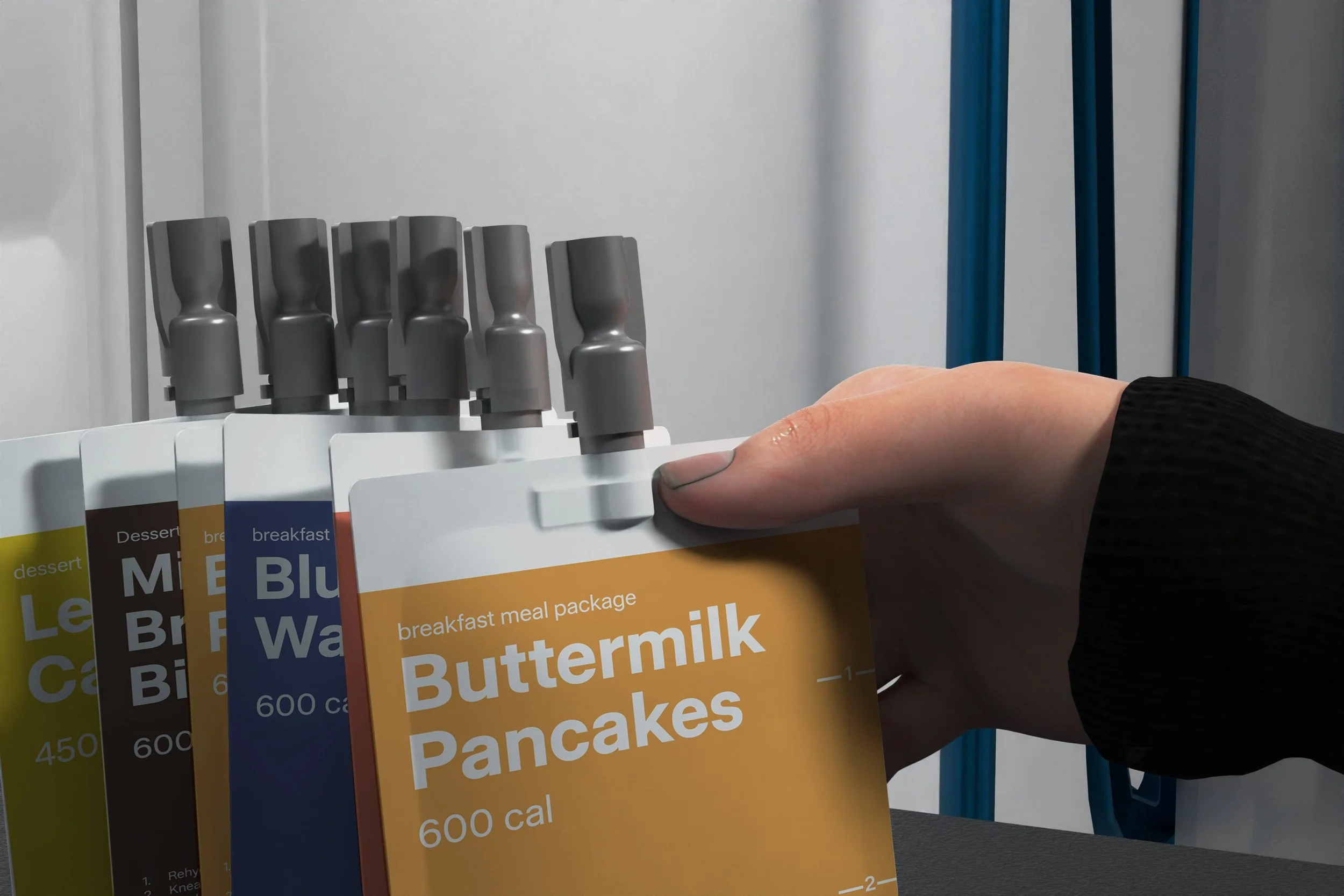
1. A desired meal package is selected.
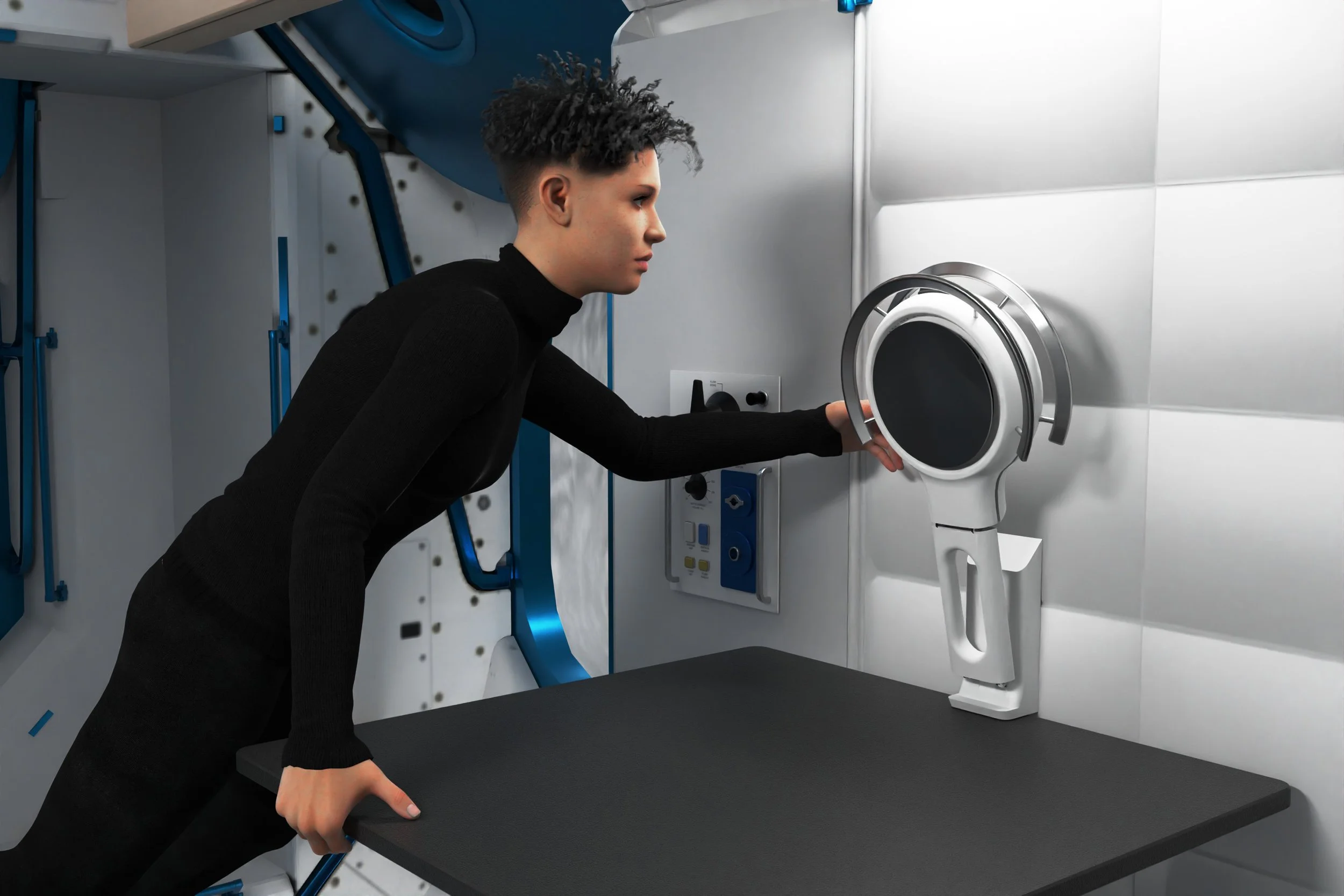
4. The cooker is deployed from the wall and then set to the desired temperature.
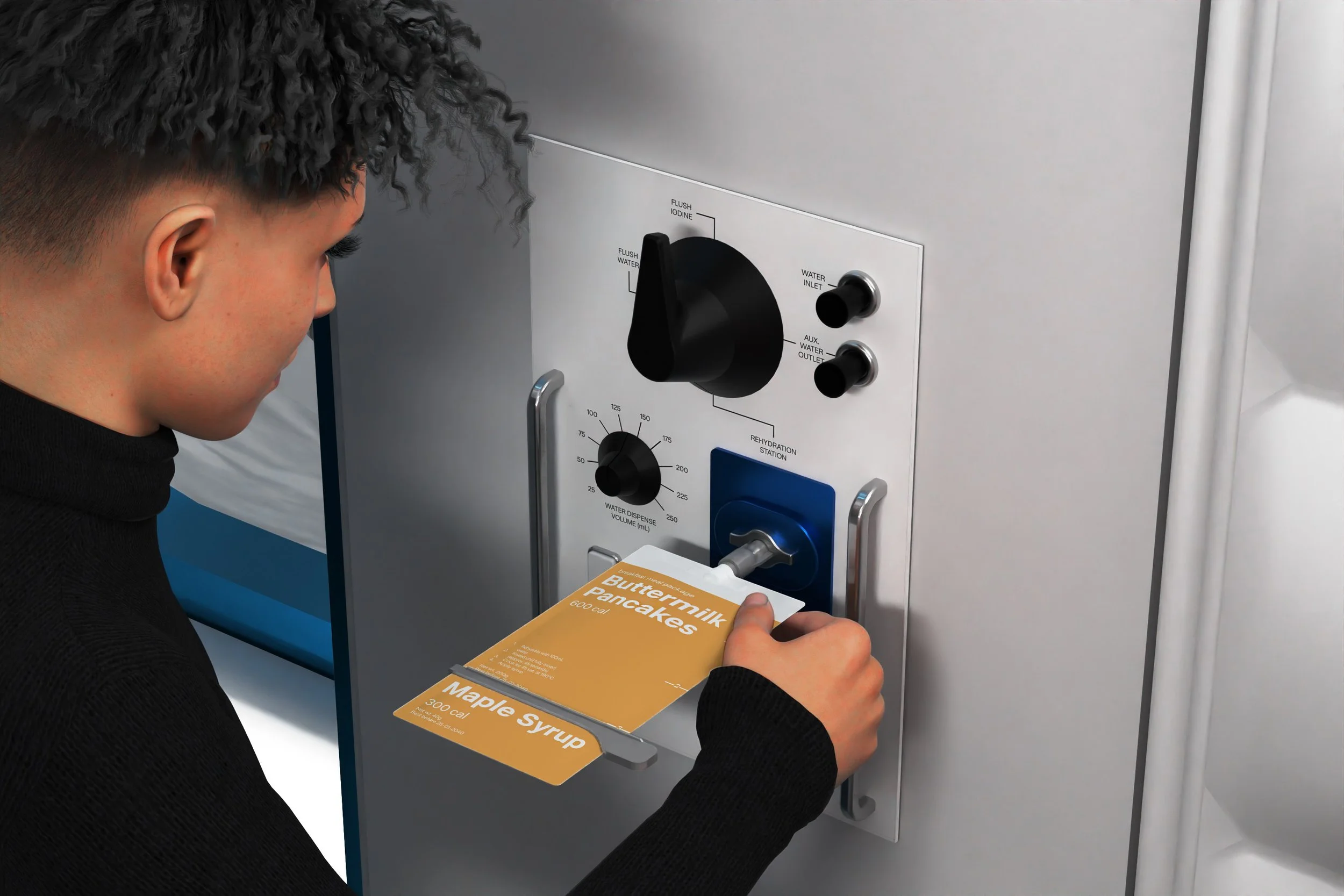
2. The meal package is rehydrated.
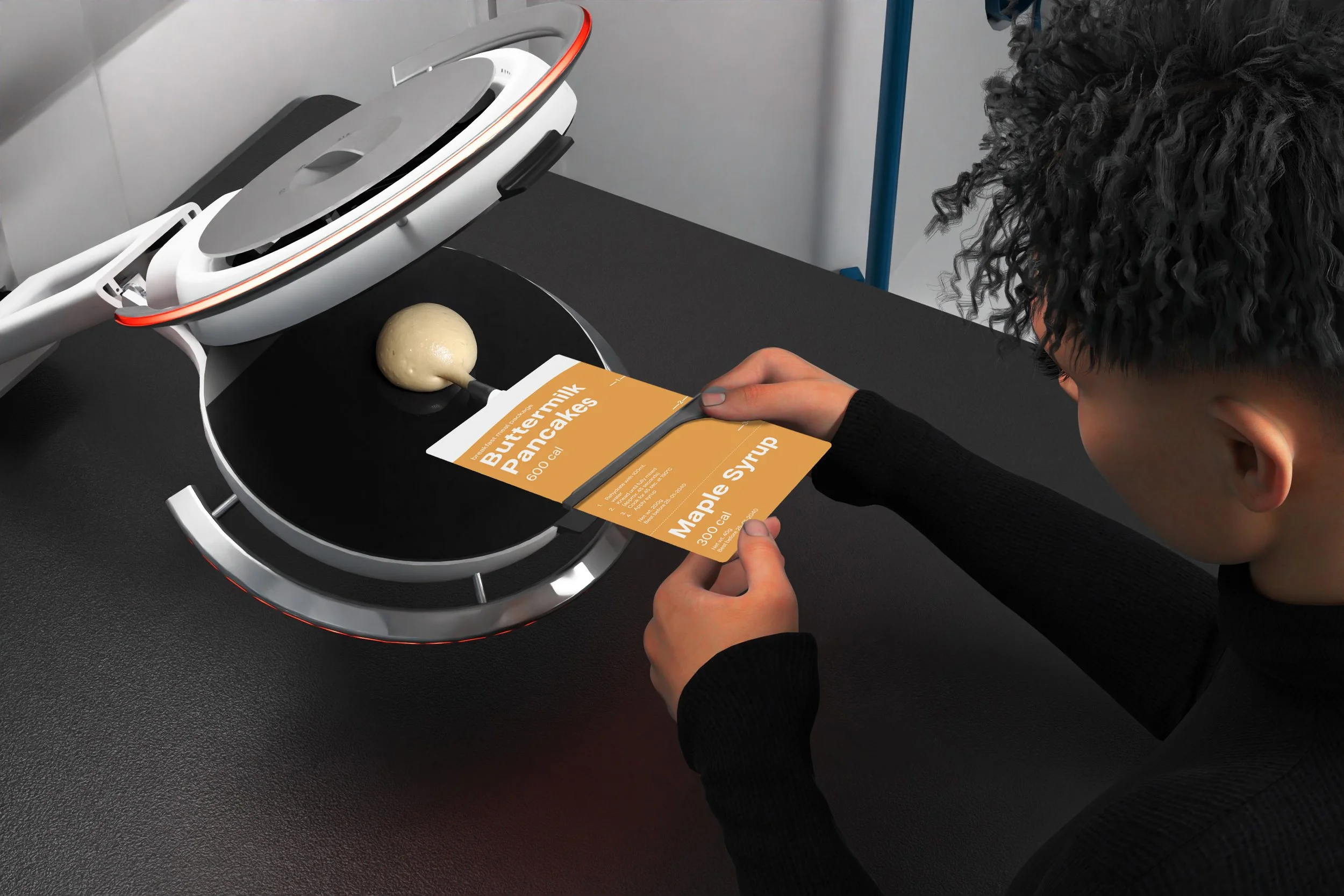
5. The meal package is dispensed onto the cooking surface.
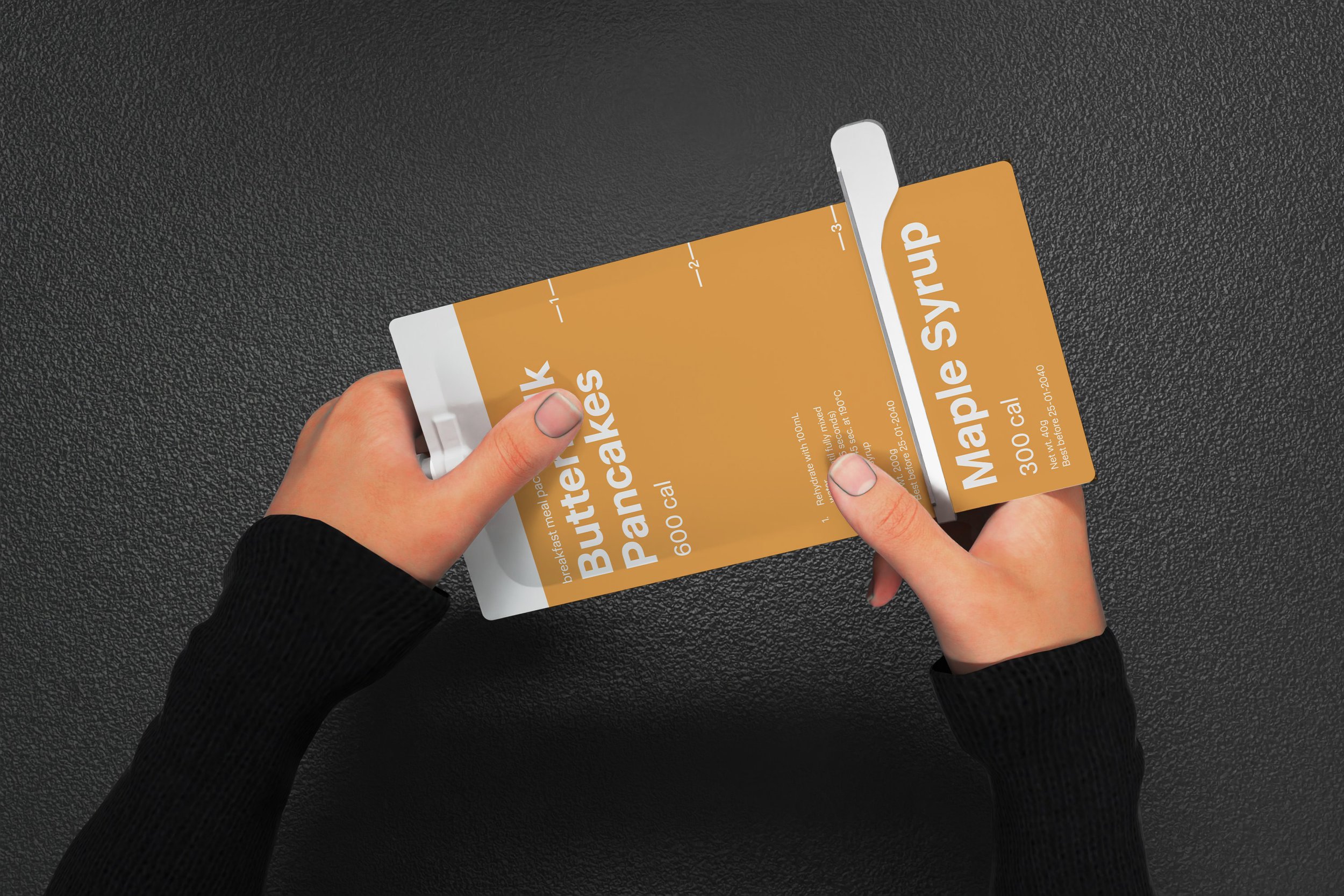
3. Water is kneaded into the package.
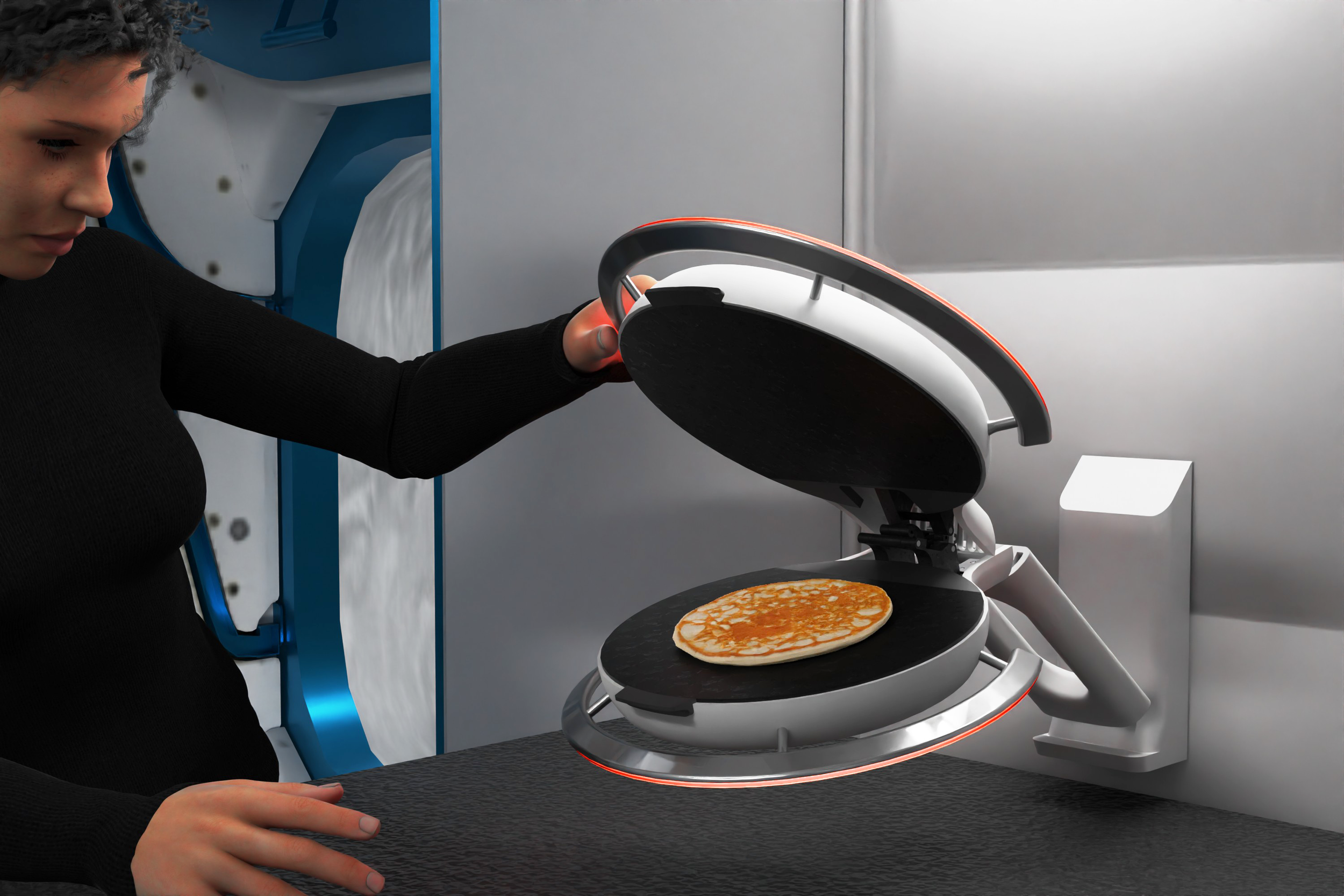
6. The food is removed from the appliance and consumed.
Prototype
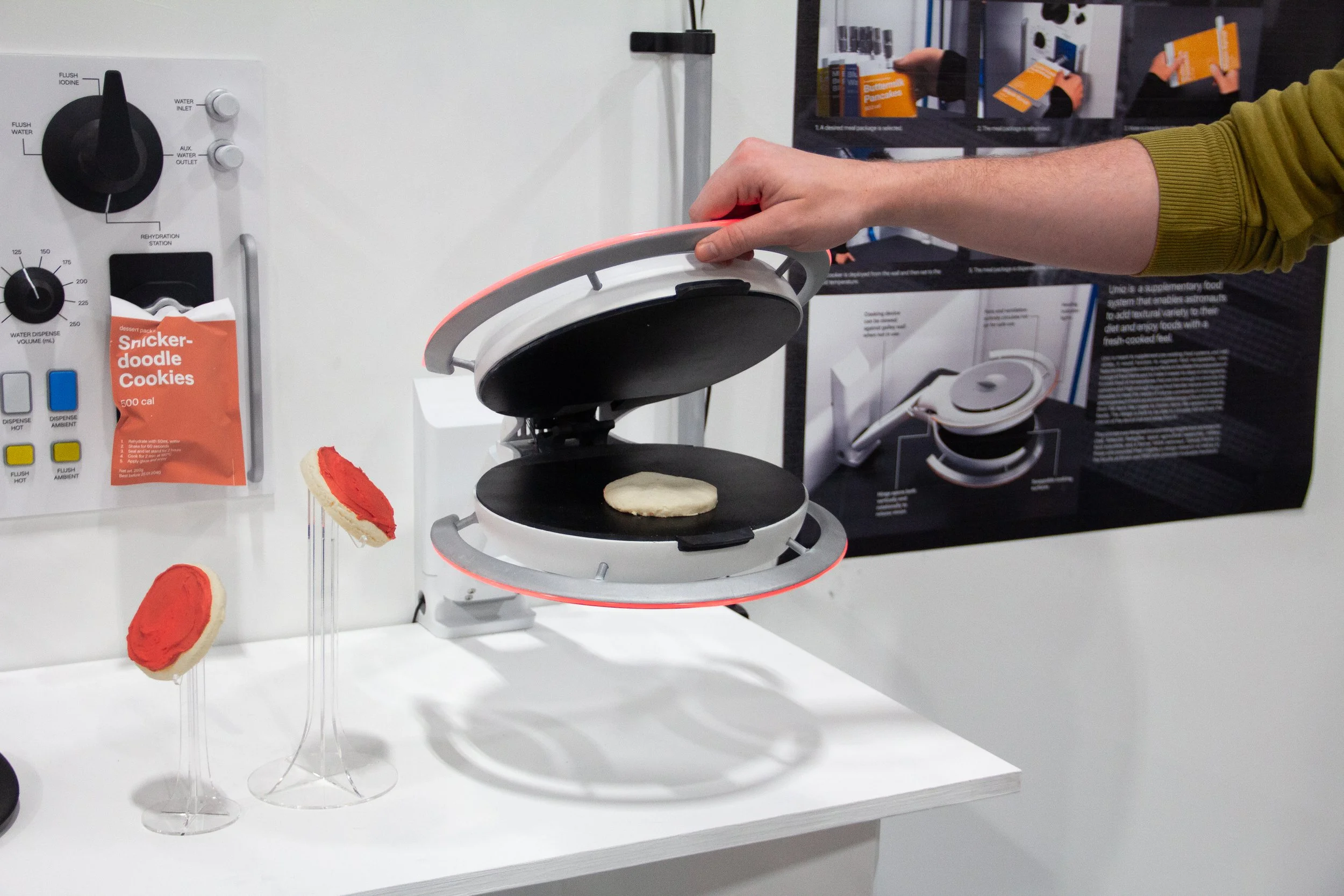
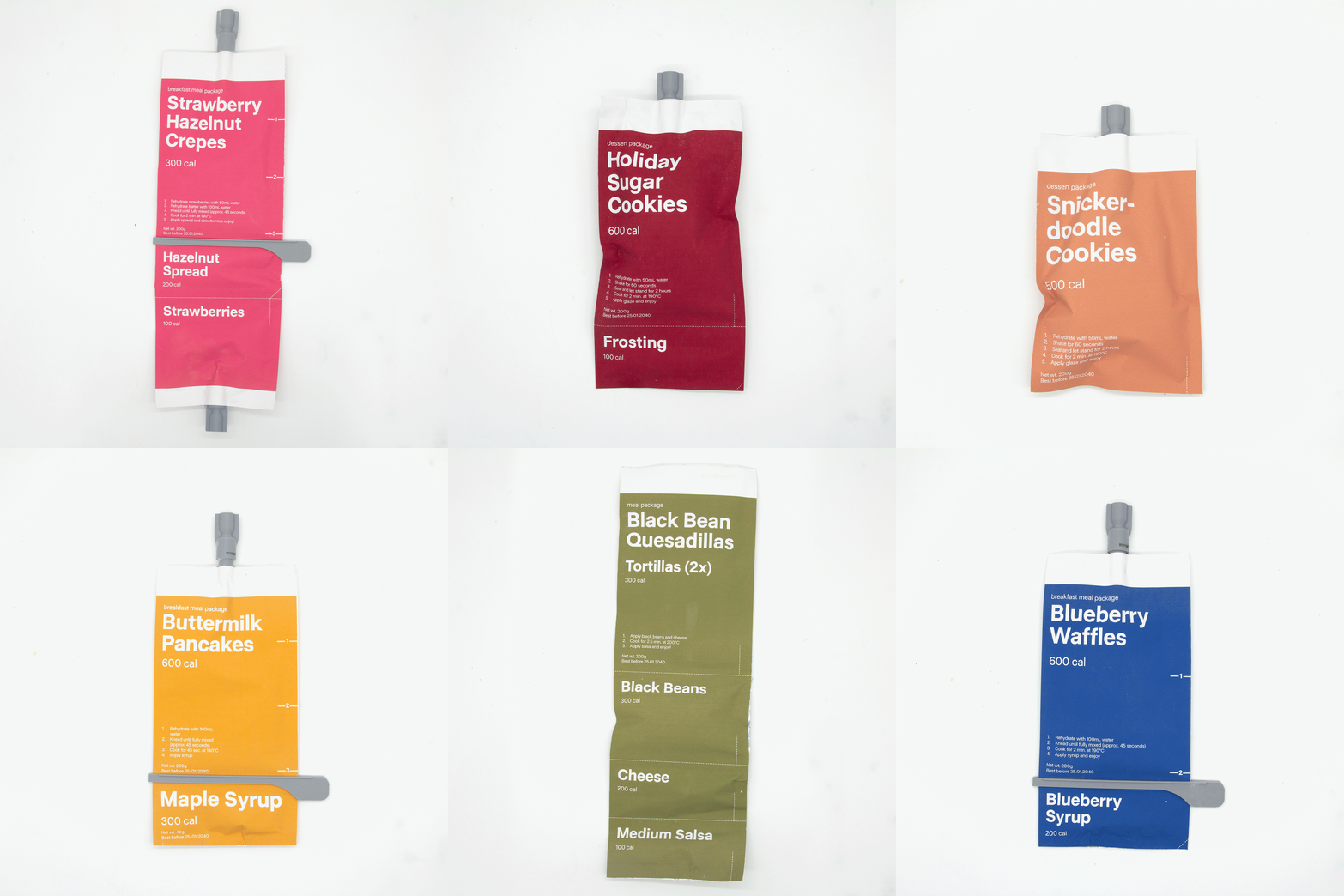
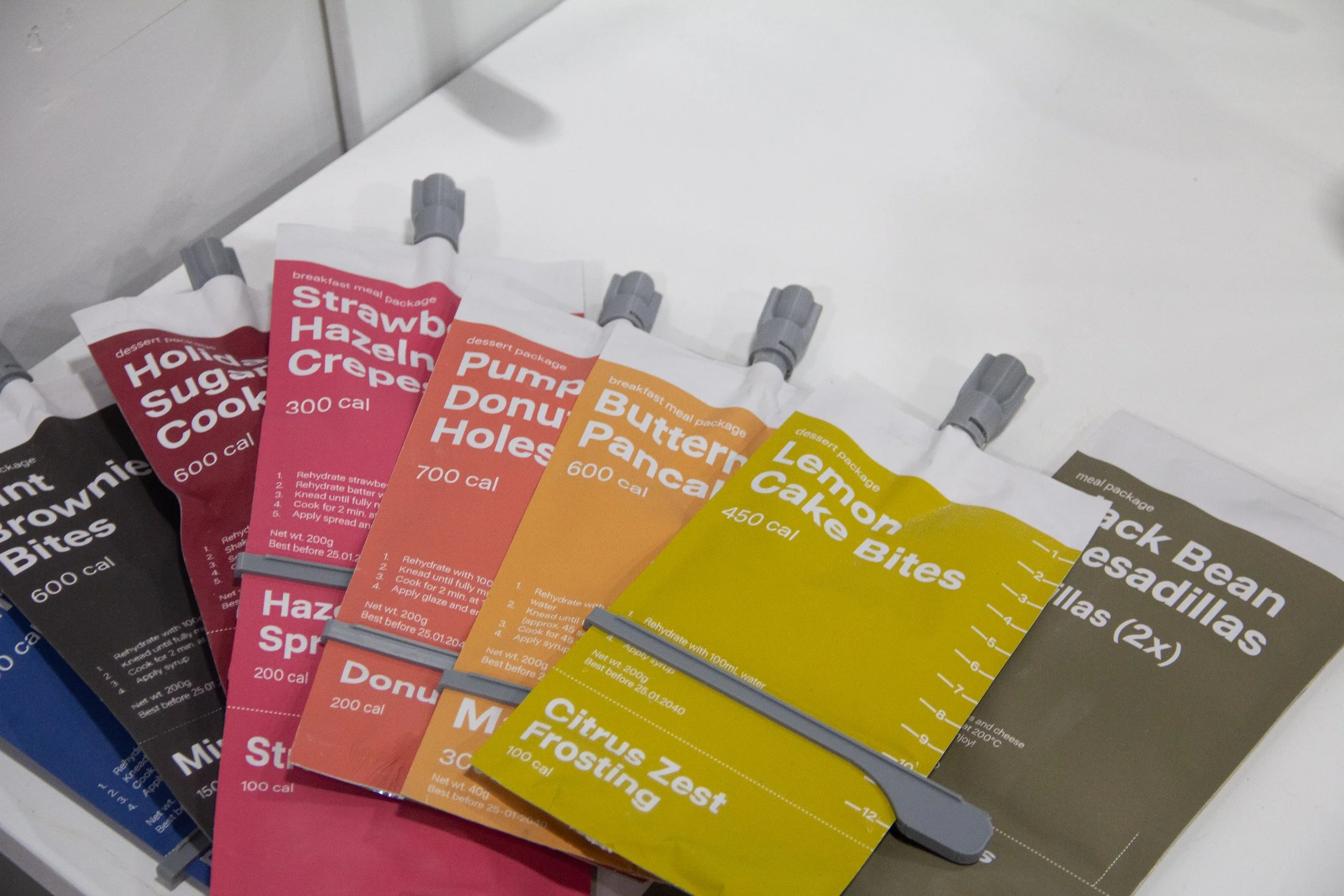
Special Thanks
to Shane Kimbrough, Susan John, Alan Wright, Thomas Robinson, and Kenzie Green for their invaluable generosity, sharing their time and experiences
and to Rich Morales, Paolo Cardini, Chaki Ng, Griffin van Horne, and Beth Altringer of the Brown/RISD MADE program and Michael Lye of RISD for their guidance and feedback